
What Are Behavior Coaches at River Rock Academy?
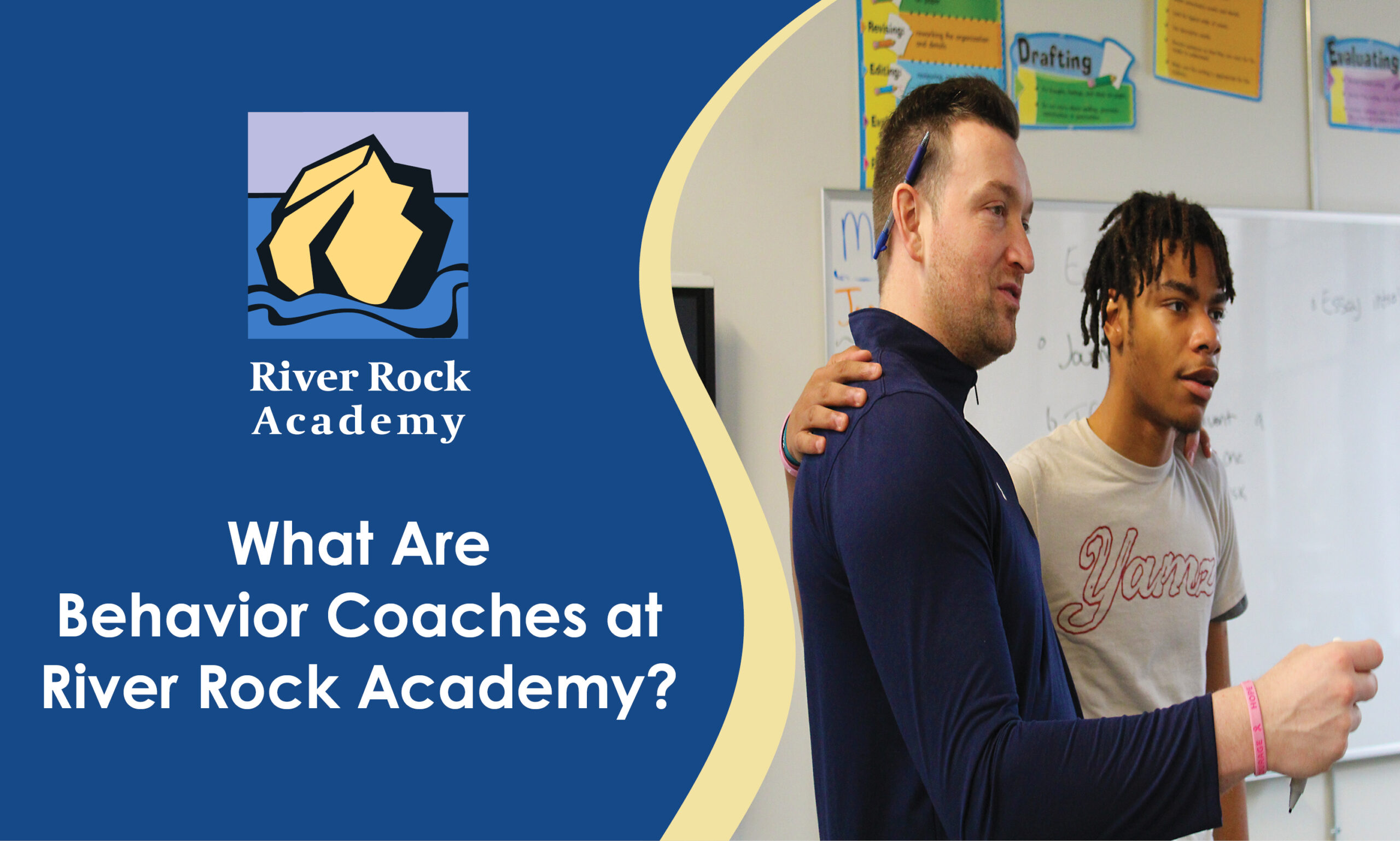
In alternative education, progress is not just about grades. It’s about helping students rebuild skills like self-control, communication, and problem-solving so they can be successful in school and in life. For many students, that growth starts with feeling safe, understood, and consistently supported throughout the school day. That’s why one of the most important roles at River Rock Academy is the Behavior Coach.
What does a Behavior Coach do in alternative education?
Behavior Coaches are the people who help students practice better choices in real time, not just talk about them after the fact. They guide and mentor students by promoting positive decision-making, self-regulation, and social growth, while providing structure and behavioral support and maintaining safety across the school community.
Behavior Coaches help students in everyday moments, like:
- Coaching a student through a frustrating situation
- Helping students reset after conflict and return to learning
- Reinforcing expectations consistently so students know what to expect and what’s expected of them
- Supporting social growth, including peer interactions and appropriate communication
Behavior Coaches also bear responsibilities like mentoring students to build problem-solving and self-control, monitoring behavior and maintaining accountability, responding to crisis situations with approved de-escalation techniques, collaborating with teachers and counselors, and documenting incidents and progress.
Why Behavior Coaches matter in alternative education
Behavior Coaches play a key role in helping students develop the readiness to succeed in a less restrictive setting. In alternative education, that work is often focused on building practical skills that students can use throughout the school day, especially in challenging moments. These skills include:
- Managing emotions under stress
- Handling limits and boundaries appropriately
- Replacing impulsive reactions with safer responses
- Practicing pro-social choices, even when they’re upset
River Rock Academy also emphasizes high-quality social-emotional learning (SEL) programming with daily social skills instruction in the classroom, combined with counseling and other interventions to help students overcome behavioral challenges and return to their district setting. Behavior Coaches support growth by reinforcing all these skills throughout the day, not just during a single lesson.
Who are our Behavior Coaches?
Families and district teams should feel confident that behavior support is being delivered by people who are prepared for the work. At River Rock Academy, the qualifications to become a behavior coach include, but are not limited to:
- A bachelor’s degree in human services, behavioral science, or a related field
- Experience supporting children or adolescents with behavioral or emotional challenges
- Knowledge of positive behavior interventions and crisis management techniques
- Strong communication and relationship-building skills
- The ability to remain calm, professional, and consistent in high-stress situations
What students gain from working with a Behavior Coach
A great Behavior Coach does not “control” a student but helps a student build control for themselves. Over time, that can look like:
- Fewer escalations because students learn what to do when they feel overwhelmed
- Stronger relationships with peers and adults
- More time in instruction because supports are proactive and consistent
- More confidence, because students experience success and recognition for positive choices
Behavior Coaches are essential to River Rock Academy’s team model because they help students turn support into real skill-building. Through consistent coaching, structure, and collaboration with the broader school team, they help students strengthen self-regulation, decision-making, and social growth so learning can move forward. Ultimately, their work supports what matters most: helping students make meaningful progress and move toward success in a less restrictive setting.