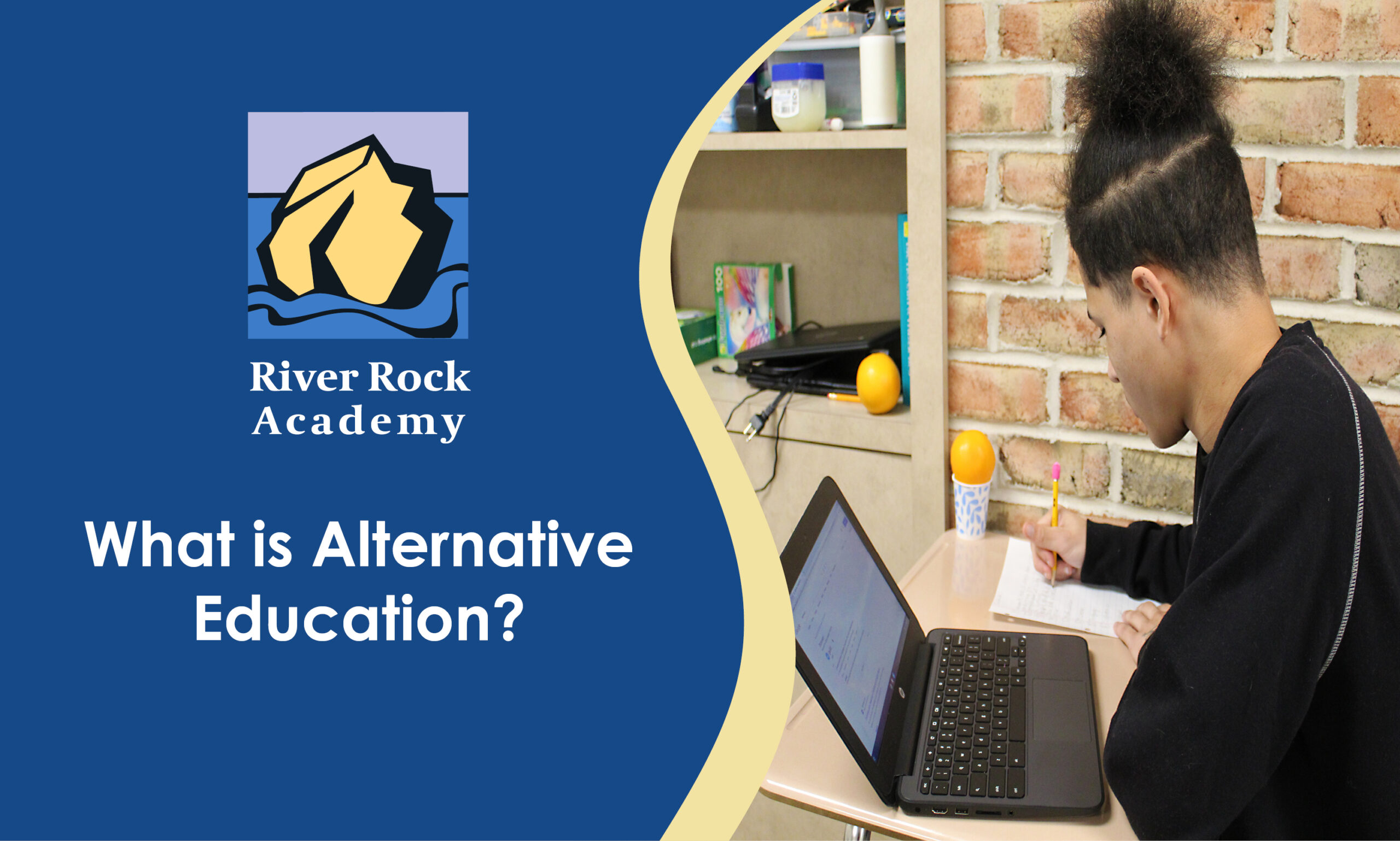
What is Alternative Education?

If you have heard the term “Alternative Education (AEDY)” and wondered what it means, you are not alone. AEDY is short for Alternative Education for Disruptive Youth. In simple terms, AEDY is a type of school program designed to support students who experience challenges succeeding in a traditional school setting because of ongoing behavioral, emotional, or social challenges. AEDY programs give students a chance to reset, rebuild skills, and re-engage by learning in a more structured environment. The goal is to help them stabilize, learn coping strategies, and return to school with effective tools for success, both academically and personally. Who is AEDY for? AEDY is typically for students who may be experiencing repeated challenges such as: Frequent classroom disruptions or conflicts Difficulty managing emotions or behavior in school Patterns of defiance or escalation when expectations are set Trouble with peer relationships, authority, or routines Suspensions or risk of placement changes due to behavior Every student’s situation is different. Some students struggle because of stress at home, mental health concerns, trauma, or unmet learning needs. Others may feel overwhelmed in a large school environment or get stuck in negative patterns that are hard to break without extra support. AEDY is meant to provide a more focused setting where students can practice skills and rebuild confidence. How is AEDY different from Special Education? Special Education is a service structure supported by an Individualized Education Plan (IEP). It is designed for students who have a documented disability and need specialized instruction or related services to access learning. AEDY, on the other hand, is a general education intervention created to address significant behavioral needs that interfere with learning. A student does not need an IEP to be placed in AEDY. Placement is usually based on school and district processes, and it is often meant to be temporary, with the goal of helping a student transition back to their home school when they are ready. What makes AEDY effective? Strong alternative education programs typically include: Clear routines and consistent expectations Smaller class sizes and increased adult support Skill-building in emotional regulation, conflict resolution, and communication Positive reinforcement and structured feedback Academic instruction that keeps students moving forward Most importantly, AEDY creates space for students to experience school differently. When students feel understood, supported, and are held to clear expectations, they begin to see themselves in a new and better way. How does AEDY transform students’ lives? For many students, AEDY can be a turning point. It can reduce repeated suspensions, rebuild relationships with adults, and help students feel capable again by learning practical strategies to handle frustration, manage impulses, and make better choices. Alternative education is about growth. It gives students a structured path where they can rejoin their peers stronger, more confident, and more prepared to succeed in school and beyond.

If you have heard the term “Alternative Education (AEDY)” and wondered what it means, you are not alone. AEDY is short for Alternative Education for Disruptive Youth. In simple terms, AEDY is a type of school program designed to support students who experience challenges succeeding in a traditional school setting because of ongoing behavioral, emotional, or social challenges. 

AEDY programs give students a chance to reset, rebuild skills, and re-engage by learning in a more structured environment. The goal is to help them stabilize, learn coping strategies, and return to school with effective tools for success, both academically and personally. 

Who is AEDY for? 

AEDY is typically for students who may be experiencing repeated challenges such as: 

  • Frequent classroom disruptions or conflicts 
  • Difficulty managing emotions or behavior in school 
  • Patterns of defiance or escalation when expectations are set 
  • Trouble with peer relationships, authority, or routines 
  • Suspensions or risk of placement changes due to behavior 

Every student’s situation is different. Some students struggle because of stress at home, mental health concerns, trauma, or unmet learning needs. Others may feel overwhelmed in a large school environment or get stuck in negative patterns that are hard to break without extra support. AEDY is meant to provide a more focused setting where students can practice skills and rebuild confidence. 

How is AEDY different from Special Education? 

Special Education is a service structure supported by an Individualized Education Plan (IEP). It is designed for students who have a documented disability and need specialized instruction or related services to access learning. 

AEDY, on the other hand, is a general education intervention created to address significant behavioral needs that interfere with learning. A student does not need an IEP to be placed in AEDY. Placement is usually based on school and district processes, and it is meant to be temporary, with the goal of helping a student transition back to their home school when they are ready. 

What makes AEDY effective? 

Strong alternative education programs typically include: 

  • Clear routines and consistent expectations 
  • Smaller class sizes and increased adult support 
  • Skill-building in emotional regulation, conflict resolution, and communication 
  • Positive reinforcement and structured feedback 
  • Academic instruction that keeps students moving forward 

Most importantly, AEDY creates space for students to experience school differently. When students feel understood, supported, and are held to clear expectations, they begin to see themselves in a new and better way. 

How does AEDY transform students’ lives? 

For many students, AEDY can be a turning point. It can reduce repeated suspensions, rebuild relationships with adults, and help students feel capable again by learning practical strategies to handle frustration, manage impulses, and make better choices. 

Alternative education is about growth. It gives students a structured path where they can rejoin their peers stronger, more confident, and more prepared to succeed in school and beyond.